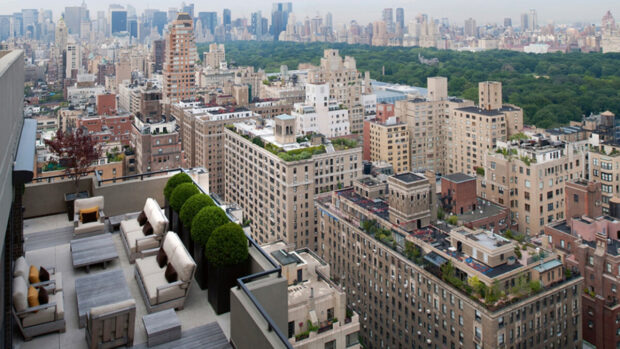
The secret realm of its roof gardens lies high above the urban canyons of the megacity. Photographer Charles de Vaivre has explored 25 of the exclusive refuges.
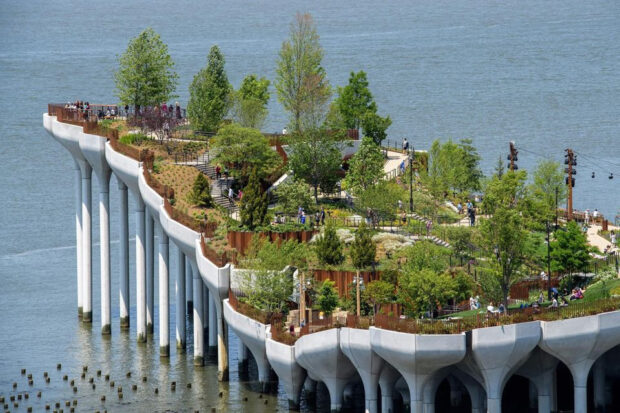
New York’s newest attraction is enthroned in the Hudson River: “Little Island”. The public park is slightly larger than a soccer field and is intended to become a green place to relax for New Yorkers – with the best view of the skyline.
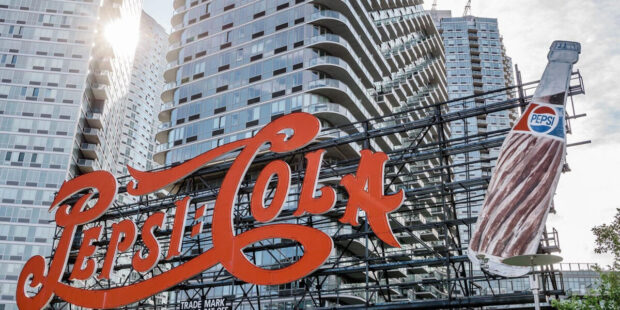
Long Island City in Queens is a booming bohemian neighborhood on the East River. Just one subway stop from Manhattan, Long Island City in Queens is the closest Williamsburg to insiders (you know: the Mecca of the hip, creative residents of Brooklyn). There are few tourists in Long Island City because many either don’t know it or think it is too dangerous, which is absolutely not true.
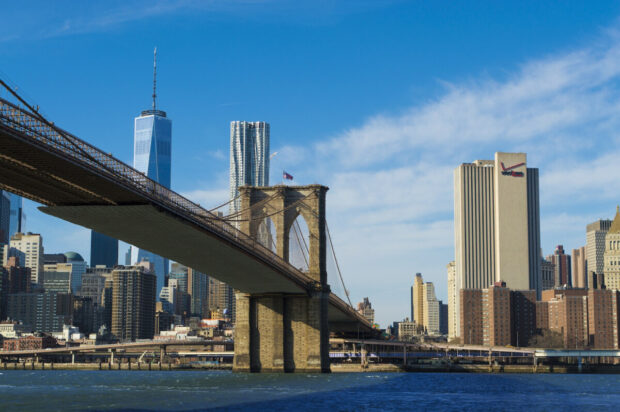
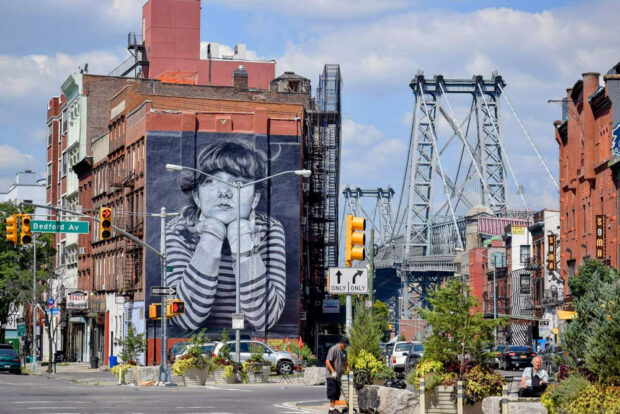
There are a total of 65 bridges in New York, which connect the individual areas of this large city that are divided by the water. One of these many bridges, the Brooklyn Bridge, is probably one of the most famous bridges in the world.
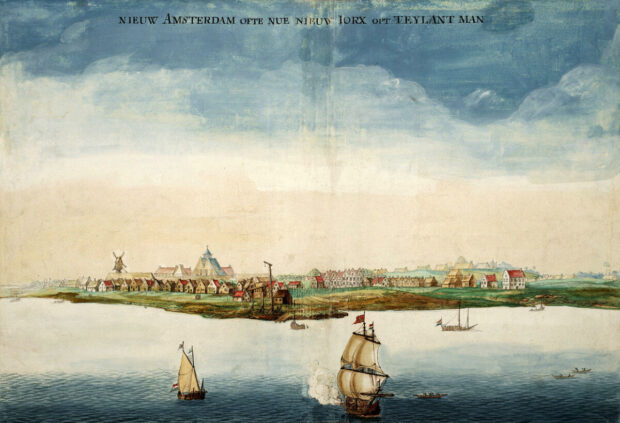
On 24 May 1626, New Netherlands Governor Peter Mineit bought Manhattan from the Indians.
From time to time, someone monitors the high-end real estate market of different cities in case he suddenly has a lot of money. Is there an urgent need to choose a dream apartment in New York or Rome?
New York is the most democratic city on the planet. No one is usually surprised. However, there are things in the Big Apple that you shouldn’t do, and if you ignore the recommendations, you will annoy others.
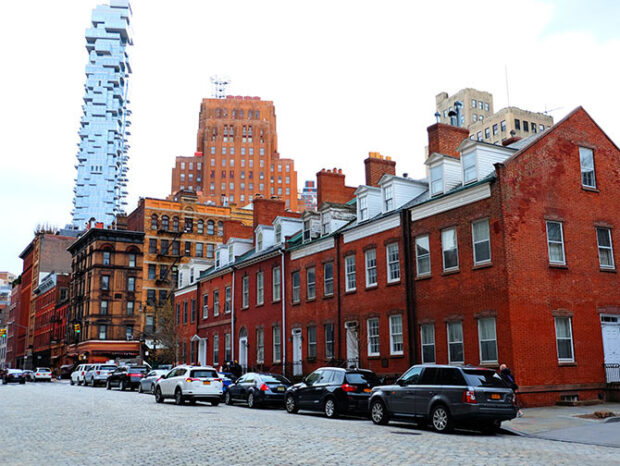
Tribeca is certainly not on every New York traveler’s must-see list, as many know nothing about this charming district. This is not bad at all, because Tribeca is a true insider tourist you rarely find here.
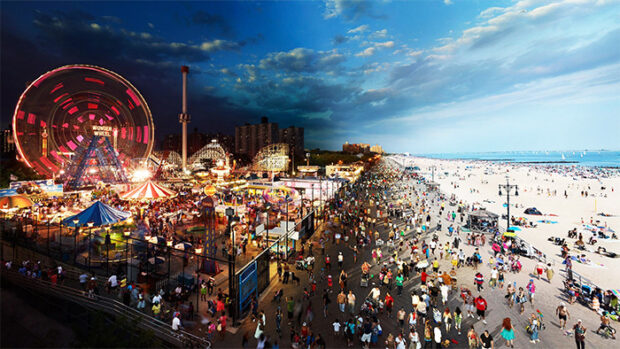
For the ever-busy New Yorkers, getting out of town on the beach is a problem. But if you want to rest and have fun, you should visit Coney Island, especially since this town resort has such an interesting history.
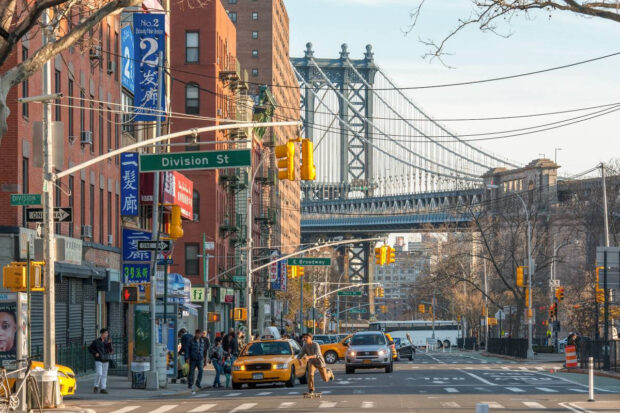
The Lower East Side is very popular among tourists, but in addition to its famous attractions, the area also holds many secrets that are rarely accessible to tourists. Today we’re going to tell you about seven of them.
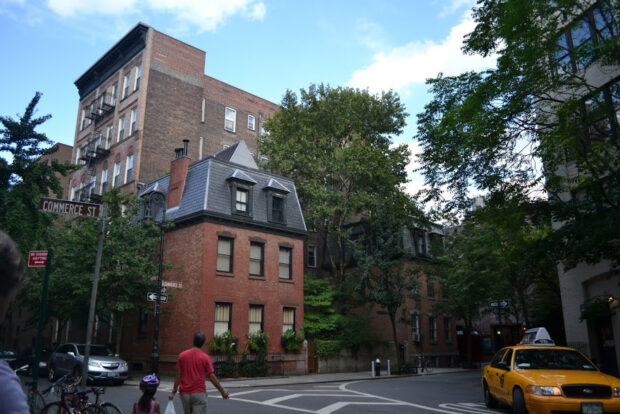
It is a large historical residential area located in the western part of Lower Manhattan in New York City. The New Yorkers also call the Village-Village District abbreviated. Greenwich Village is located on the banks of the Hudson and is bounded by Broadway to the east, Hawston to the south, and 14th Street to the north.
You can never go to New York in your whole life, but you can’t help feeling the influence of New York culture. Everyone’s heard a lot about that “New York Bohemian” he’s famous for. Independent musicians, avant-garde artists, unemployed actors, radical writers, unthinkable freaks, and other New York City underground dwellers.
Do you know why SoHo is called that? It’s an acronym for South of Houston. It was invented by artists not so long ago – in the 60s of the 20th century.
Luxury apartments inhabited by the very affluent New Yorker crowd, well-kept restaurants filled with the wives of the richest businessmen in town who don’t have to worry about anything and who meet their girlfriends for lunch every day, exclusive designer boutiques and pompous cars including drivers who waiting for their customers in front of the chic restaurants.
The West Side is a large area west of Manhattan Island. On the western side of the West Side is bounded by the Hudson River, on the east by 5th Street, Central Park, and lower Broadway.
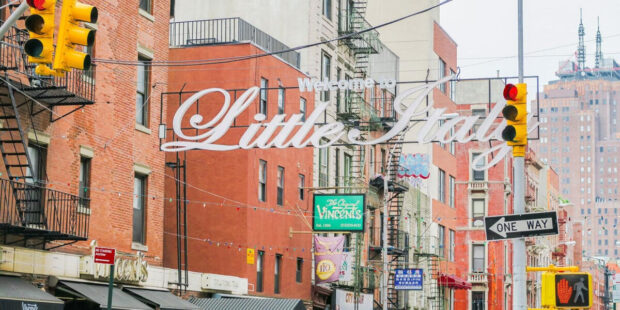
Little Italy is a must-see neighborhood in Lower Manhattan and is very popular with most New York tourists. Little Italy is bounded by Center Street in the west, Houston Street in the north, Canal Street in the south, and Bowery in the east.
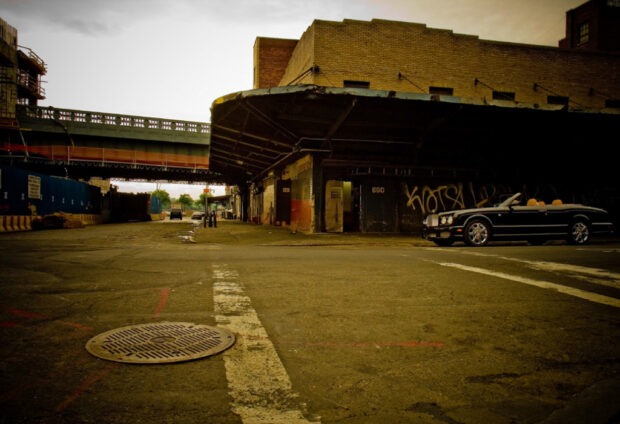
Bases, warehouses, garages, shops. As you passed by, you saw meat carcasses hanging from hooks in the open gate, mountains of vegetables/fruits, and seafood. The narrow streets were always filled with trucks that brought and carried all kinds of snow. Many of the city’s restaurants bought fresh food every day, but private citizens could buy imported strawberries, Colombian shrimp – whatever they wanted – without much damage to their purses.
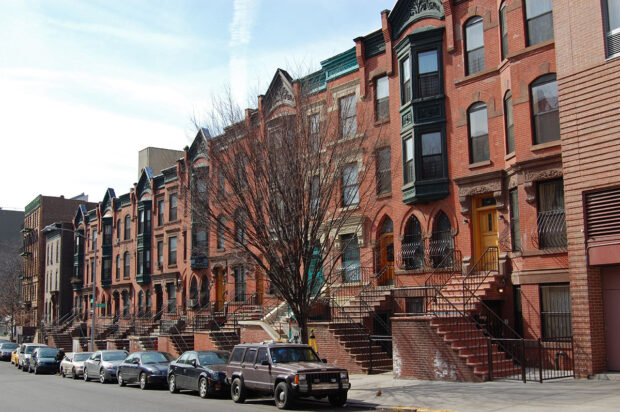
The area of present-day Harlem was once inhabited by Dutch farmers, and until the early 19th-century Dutch cattle were grazed and Dutch cheeses were brewed. Over time, the land gave up all its juices, the Dutch farmers abandoned it, and in place of the pastures the apartment buildings grew, which the owners did not hurry to occupy – the area was still on the outskirts. Soon after, housing prices in Harlem fell and houses were finally found to be owned by black people, not only from other parts of New York but also from southern America and the Caribbean.
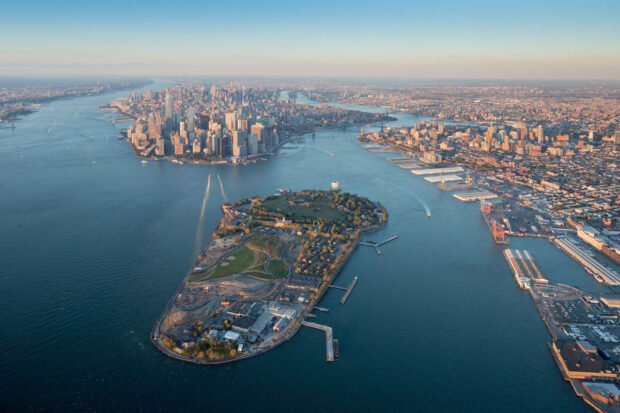
The Governor’s Island is open to visitors only during the warm season. But it is easy to get there and pleasant to walk there. If you haven’t already been, you should visit. For that, go to the Staten Island Marina. The ferry to the Governor’s Island goes to his left. Ten minutes – and you’re away from crazy Manhattan, in silence and surrounded by history.
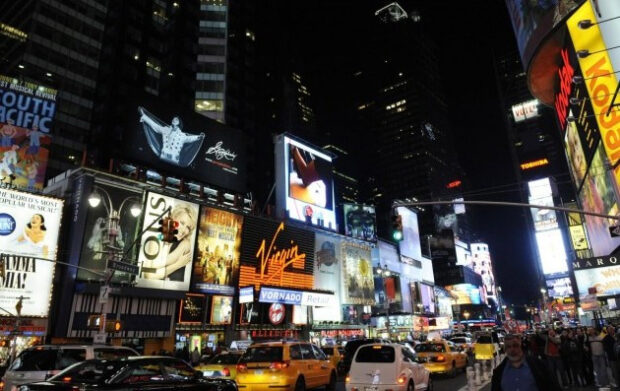
The Theater District in New York is the pulsating artery of the city and the hub for entertainment. The neighborhood stretches from West 40th Street to West 54th Street and from West 6th Avenue to the eastern portion of 8th Avenue. Broadway runs right through it and the famous Times Square is part of it. There is no doubt that the vibrant life that is so characteristic of New York originated in this area. In this relatively small area of the city, there are around 36 theaters in close proximity to each other.